Free to download. Free to swipe. Free to match. Except none of it is actually free — it's just priced in something other than money.
The cost is time. Attention. The particular fatigue of caring a little about fifteen people at once instead of a lot about one.
What an hour of swiping actually buys you
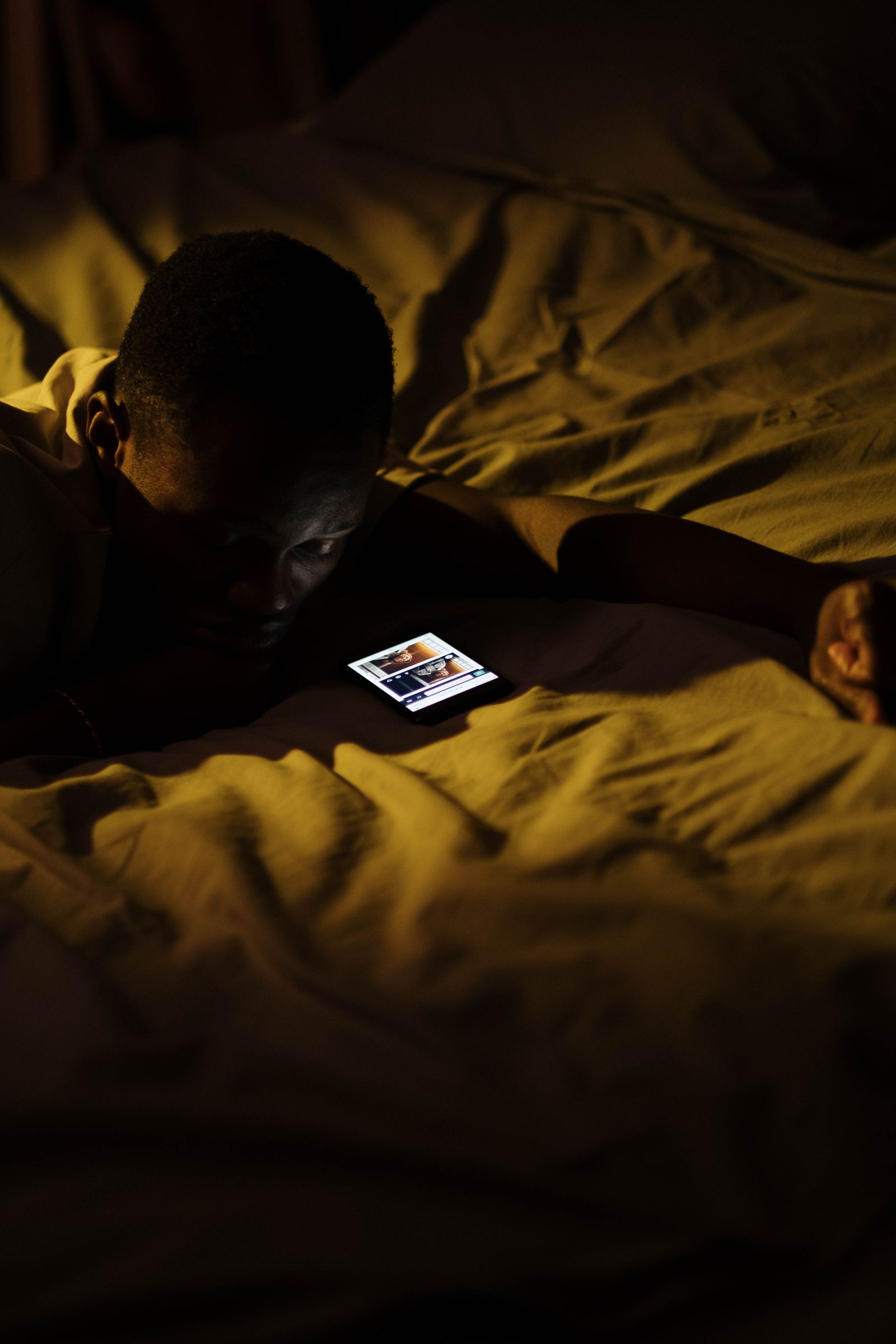
Most swipes go nowhere. Not because anyone's doing anything wrong — that's just the shape of the format. An hour of swiping typically buys a handful of matches, a couple of opening messages, and maybe one conversation that goes anywhere. The rest is scrolling.
None of that is wasted, exactly. But it adds up to a lot of hours spent on something that rarely feels like progress while you're doing it.

The real price tag: attention, not money
Juggling five conversations at once feels efficient. It usually isn't. Attention split five ways means each conversation gets a fraction of the effort a good one needs — and the people on the other end can tell.
The cost shows up later: matches that fizzle because nobody had the bandwidth to actually follow up.
You're not paying with your wallet. You're paying with your evenings.
Three ways to spend less and get more
- Pick fewer conversations to actually invest in.
- Set a rough weekly cap and stick to it.
- Let the ones that have gone quiet stay quiet.
Fewer conversations. Better odds.
idldat is built for people who'd rather have three good conversations than fifteen thin ones. Free to join.
Try it free →What "worth it" actually looks like
None of this means dating apps are a bad deal. It means the deal is better when you spend deliberately instead of by default. A weeknight spent on one promising conversation is worth more than the same hour split across ten.
Free to download was never really the point. What you do with the time after that is.